
Planetary Gear Box: The Driving Force Behind Industrial Robotics and Equipment
In the rapidly evolving landscape of modern manufacturing, precision, efficiency, and reliability are non-negotiable. At the heart of these demands lies a critical component that powers everything from robotic arms to heavy-duty industrial machinery: the planetary gear box. Renowned for its compact design, high torque density, and exceptional load distribution, the planetary gear box has become an indispensable technology across the industrial robotics and equipment sectors. This article explores the specific application scenarios where planetary gear boxes deliver unmatched performance and value.
Industrial Robotics: Precision in Motion
Articulated Robot Joints
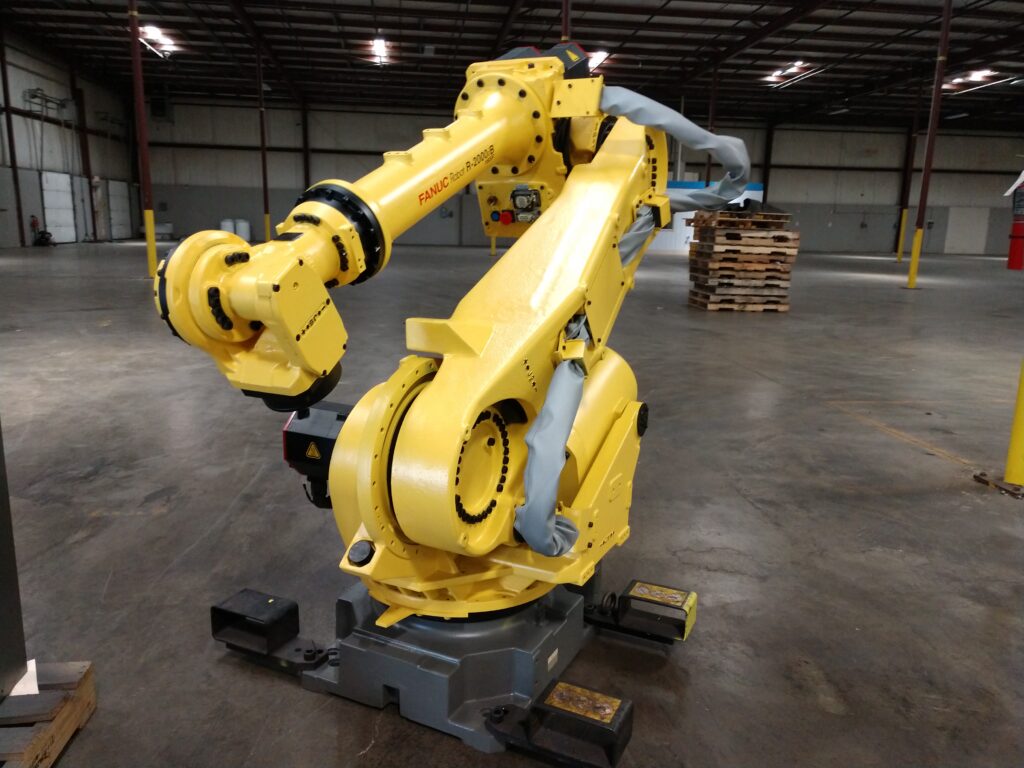
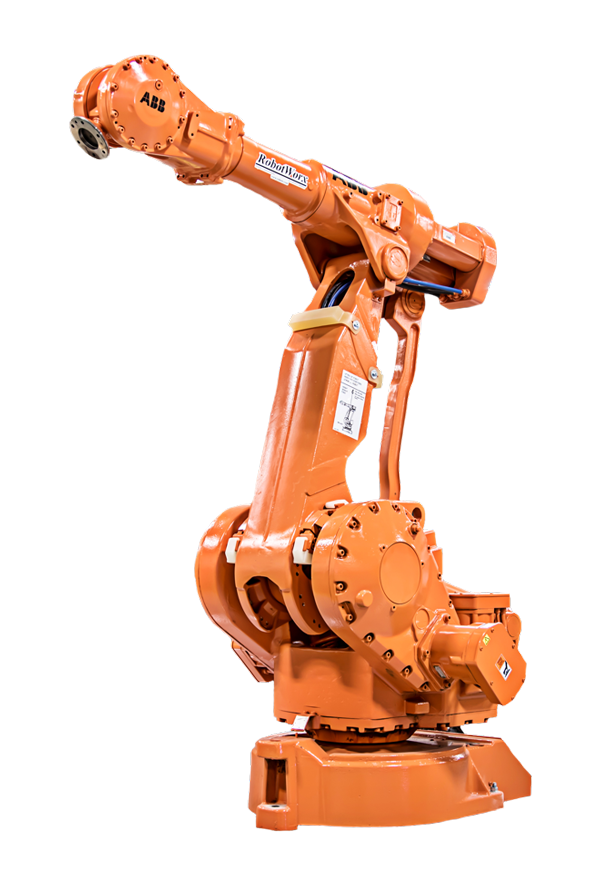
Industrial robots, particularly six-axis articulated models, rely heavily on planetary gear boxes in their joint actuation systems. Each joint—whether shoulder, elbow, or wrist—requires precise angular positioning and high torque output within a confined space. A planetary gear box excels here because its coaxial design allows motors to be mounted directly along the joint axis, minimizing the robot’s overall footprint while maximizing payload capacity. The multi-stage gear arrangement enables reduction ratios from 3:1 to over 100:1, allowing robots to handle payloads ranging from a few kilograms to several hundred kilograms with micron-level repeatability.
SCARA and Delta Robots
In high-speed pick-and-place applications, SCARA (Selective Compliance Assembly Robot Arm) and delta robots demand rapid acceleration and deceleration cycles. Planetary gear boxes provide the necessary torque multiplication while maintaining low backlash—often less than 3 arcminutes in precision variants. This ensures that end-effectors reach their target positions accurately, even when operating at cycle times below 0.5 seconds. The gear box’s ability to absorb shock loads during abrupt direction changes also extends the service life of servo motors in these dynamic systems.

Collaborative Robots (Cobots)
The emerging collaborative robot market presents unique challenges: compact size, light weight, and inherently safe operation. Planetary gear boxes designed for cobots feature hollow-shaft configurations that allow cables and pneumatic lines to pass through the joint center, simplifying wiring and reducing entanglement risks. Their high efficiency—typically 97% per stage—minimizes heat generation, enabling cobots to work alongside human operators without excessive thermal radiation or energy waste.
Industrial Equipment: Power and Durability
CNC Machining Centers
Computer Numerical Control (CNC) machines require rigid, backlash-free motion control for cutting, milling, and grinding operations. Planetary gear boxes are integrated into the rotary axes (A, B, and C axes) of multi-axis machining centers, where they convert high-speed servo motor rotation into the slow, powerful torque needed to rotate heavy workpieces or tool heads. In this context, the planetary gear box not only provides the required torque multiplication but also maintains torsional stiffness under cutting forces, ensuring surface finish quality and dimensional accuracy.
Automated Conveyor and Material Handling Systems
Modern warehouses and production lines depend on conveyor systems that operate 24/7 under varying load conditions. Planetary gear boxes drive the rollers and belt mechanisms in these systems, offering high overload capacity—often 300% of rated torque for brief periods. This capability is crucial when handling sudden load spikes, such as when heavy packages land on a conveyor or when accumulation zones create back-pressure. The distributed load sharing among multiple planet gears ensures even wear distribution, translating to maintenance intervals measured in tens of thousands of hours.
Packaging and Labeling Machinery
The packaging industry demands synchronized motion across multiple axes: film feeding, sealing, cutting, and product insertion. Planetary gear boxes synchronize these movements by providing consistent speed reduction and precise phase alignment between mechanical components. Their compact form factor allows machine builders to design increasingly compact packaging lines, while their quiet operation—typically 10-15 dB lower than conventional gear systems—meets workplace noise regulations without sacrificing throughput.
Textile and Printing Equipment
In textile manufacturing, planetary gear boxes control the tension and speed of yarn during spinning, weaving, and winding processes. The gear box’s smooth torque transmission prevents yarn breakage and ensures uniform fabric quality. Similarly, in offset and digital printing presses, planetary gear boxes drive the impression cylinders and paper feed mechanisms, maintaining exact speed ratios between color stations to achieve perfect registration at speeds exceeding 15,000 sheets per hour.
Wind Turbine Pitch and Yaw Systems
While not traditionally considered “industrial equipment” in the factory sense, wind turbines represent a major industrial application. Planetary gear boxes in pitch control systems adjust blade angles to optimize aerodynamic efficiency and protect against overspeed conditions. Their ability to operate reliably in harsh environmental conditions—including temperature extremes, humidity, and vibration—makes them ideal for both onshore and offshore wind installations.
The Competitive Edge
What unifies these diverse applications is the planetary gear box’s fundamental architecture: a central sun gear, multiple planet gears orbiting within an internal ring gear, and a planet carrier output. This design inherently distributes load across multiple gear meshes, resulting in higher torque capacity per unit volume than parallel-shaft or worm gear alternatives. Additionally, modern planetary gear boxes incorporate advanced features such as helical gearing for smoother engagement, synthetic lubrication for extended life, and integrated encoders for closed-loop control.
Conclusion
From the articulated joints of automotive assembly robots to the relentless precision of CNC machining centers, the planetary gear box serves as the silent enabler of industrial automation. Its unique combination of compactness, torque density, and reliability addresses the core mechanical challenges faced by both robotic and industrial equipment manufacturers. As Industry 4.0 continues to drive demand for smarter, faster, and more efficient machinery, the planetary gear box will remain a foundational technology—transforming electrical power into the controlled mechanical motion that builds our modern world.


