
Planetary Gearbox Reducer: Driving Precision and Power Across Five Critical Industries
Introduction: The Mechanical Heart of Modern Automation
A planetary gearbox reducer is an epicyclic gear system engineered to reduce rotational speed while simultaneously multiplying output torque. At its core, the design consists of a central sun gear, multiple planet gears that orbit around it, and an outer ring gear that meshes with the planet gears. Because the load is distributed evenly across several planet gears, these reducers deliver exceptional torque density, high efficiency—often exceeding 95% per stage—and remarkable reliability within a compact footprint.
The global planetary gear reducer market has witnessed substantial expansion in recent years. Valued at approximately USD 2.15 billion in 2021, the market is projected to reach USD 2.76 billion by the end of 2026, driven primarily by the accelerating adoption of automation, robotics, and renewable energy infrastructure worldwide.
Looking further ahead, industry forecasts suggest the market could approach USD 3.9 billion by 2033, reflecting a compound annual growth rate (CAGR) of roughly 5.1%.
1. Industrial Robotics and Industrial Equipment
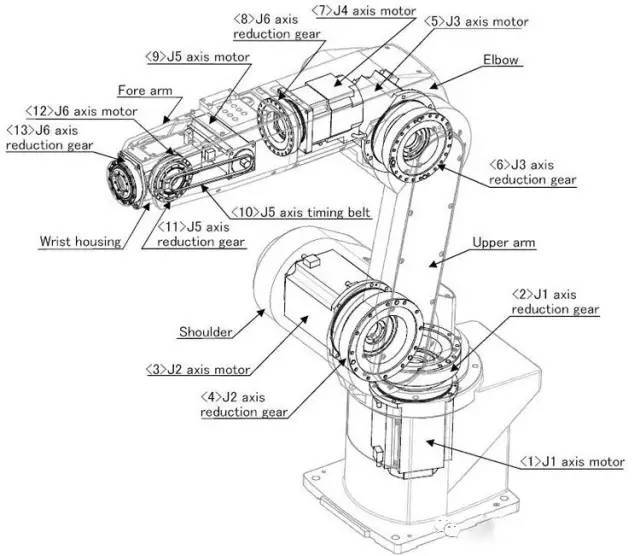
1.1 Six-Axis Industrial Robotic Arms
1.2 CNC Machine Tools and Machining Centers
1.3 Automated Production Lines
2. New Energy: Solar Photovoltaic and Wind Power Applications
2.1 Solar Tracking Systems
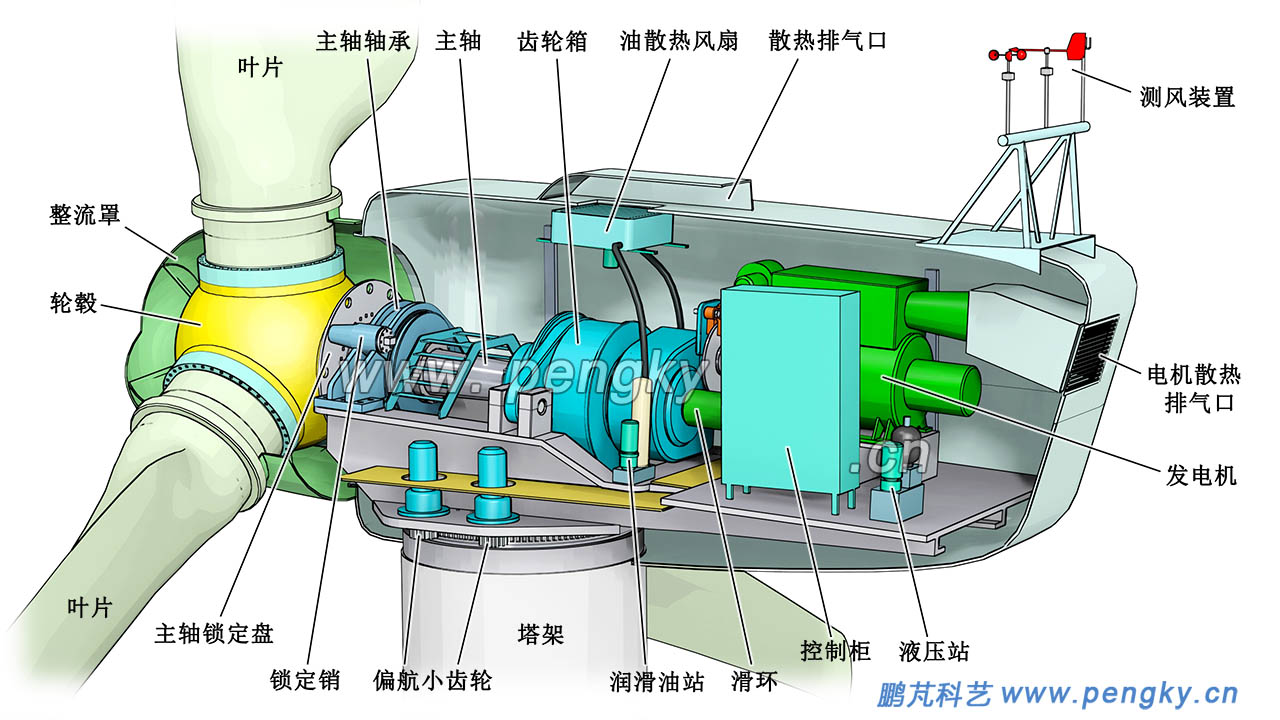
2.2 Wind Turbine Main Gearboxes
The solution is a hybrid planetary-parallel shaft gearbox. The low-speed stage employs one or two planetary gear sets to handle the primary torque multiplication. Planet gears distribute the massive rotor torque across multiple contact points, preventing any single gear from bearing excessive load.
The high-speed stage transitions to parallel helical gears that drive the generator.
Recent developments in offshore wind have pushed turbine capacities beyond 15 MW, with some prototypes exceeding 26 MW.
These mega-turbines demand planetary gearbox reducers capable of handling torque loads measured in meganewton-meters, while maintaining efficiency above 97% to minimize heat generation in the nacelle. Advanced lubrication systems, condition monitoring sensors, and hybrid ceramic bearings have become standard features in these extreme-duty reducers.
3. Logistics Automation Equipment

3.1 AGV and AMR Drive Systems
3.2 Automated Storage and Retrieval Systems (AS/RS)
3.3 Sorting and Conveyor Systems
4. Precision Medical Equipment
4.1 Surgical Robotics
4.2 CT and MRI Scanner Gantry Drives
4.3 Rehabilitation Robotics and Exoskeletons
4.4 Dental and Laboratory Equipment
5. Engineering Equipment and Agricultural Machinery